
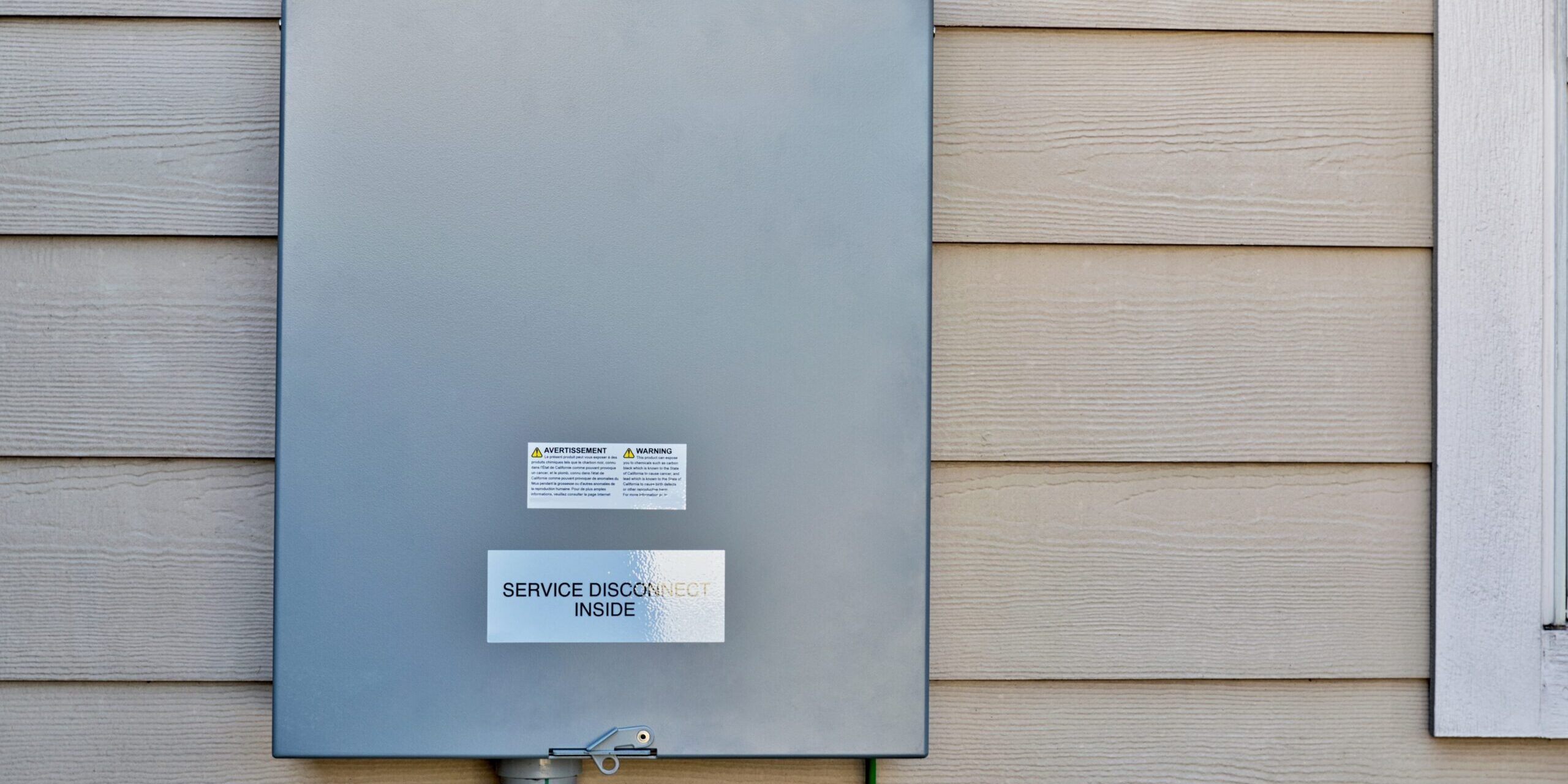
A standby generator is designed to keep your home or business powered during an outage. But the generator itself is only part of the system. One of the most important pieces is the transfer switch.
If you are considering a backup generator, or if you already have one installed, it helps to understand what a transfer switch does and why it matters for safety.
What Is a Transfer Switch?
A transfer switch is the device that safely moves your electrical system between utility power and generator power.
When the power goes out, your home normally loses electricity from the utility company. A properly installed standby generator can provide backup power, but that power has to be connected to your electrical system in a safe, controlled way. That is the job of the transfer switch.
In simple terms, the transfer switch prevents your home from being connected to the utility grid and the generator at the same time.
Why Is a Transfer Switch Important?
A transfer switch protects your home, your generator, and utility workers.
Without a proper transfer switch, generator power could feed backward into utility lines. This is called backfeeding, and it can create a serious shock hazard for lineworkers repairing the outage. It can also damage your generator, appliances, and electrical system.
A transfer switch helps ensure that power flows in the right direction and that only one power source is connected at a time.
How Does an Automatic Transfer Switch Work?
Most home standby generators use an automatic transfer switch, often called an ATS. This is what makes the system hands-off for the homeowner.
Here is the basic process:
- Utility power is working normally, and your generator stays in standby mode.
- The power goes out.
- The automatic switch senses the outage.
- The generator starts.
- The transfer switch moves selected circuits from utility power to generator power.
- When utility power returns and stabilizes, the transfer switch moves the home back to utility power.
- The generator cools down and shuts off.
For the homeowner, this means the generator can restore power automatically, even if you are asleep, away from home, or dealing with bad weather.
Does Every Generator Need One?
Any generator that connects to a home’s electrical system needs a safe transfer method. For a permanent standby generator, an automatic transfer switch is a standard part of the installation.
This is different from plugging a single item directly into a portable generator. Once a generator is connected to circuits in the home, the connection must be installed correctly and safely isolated from the utility system.
That is why generator installation should be handled by a licensed electrician.
What Can the Switch Power?
The switch is connected to the circuits the generator is designed to support. Some systems are set up to power essential circuits only, while others are designed to support most or all of the home.
Common circuits homeowners choose to back up include:
- Refrigerator and freezer
- Furnace blower or air handler
- Sump pump or sewage ejector
- Select lights and outlets
- Wi-Fi equipment
- Garage door opener
- Medical equipment
- Well pump, if applicable
During a generator assessment, Reed Electric can help determine what should be included based on your home, your electrical panel, your fuel source, and your priorities.
How Reed Electric Can Help
Reed Electric installs and services standby generator systems throughout southern Illinois and western Kentucky, including the Paducah and Metropolis areas. We are a Generac sales, service, and warranty dealer for the Purchase Area.
Our team can help with generator assessments, transfer switch installation, electrical connections, service upgrades, maintenance, and warranty service. If you are considering backup power, we can explain your options and recommend a system that fits your home or business.
Have questions?
Call 618-524-7545 in Illinois or 270-441-2094 in Kentucky.