
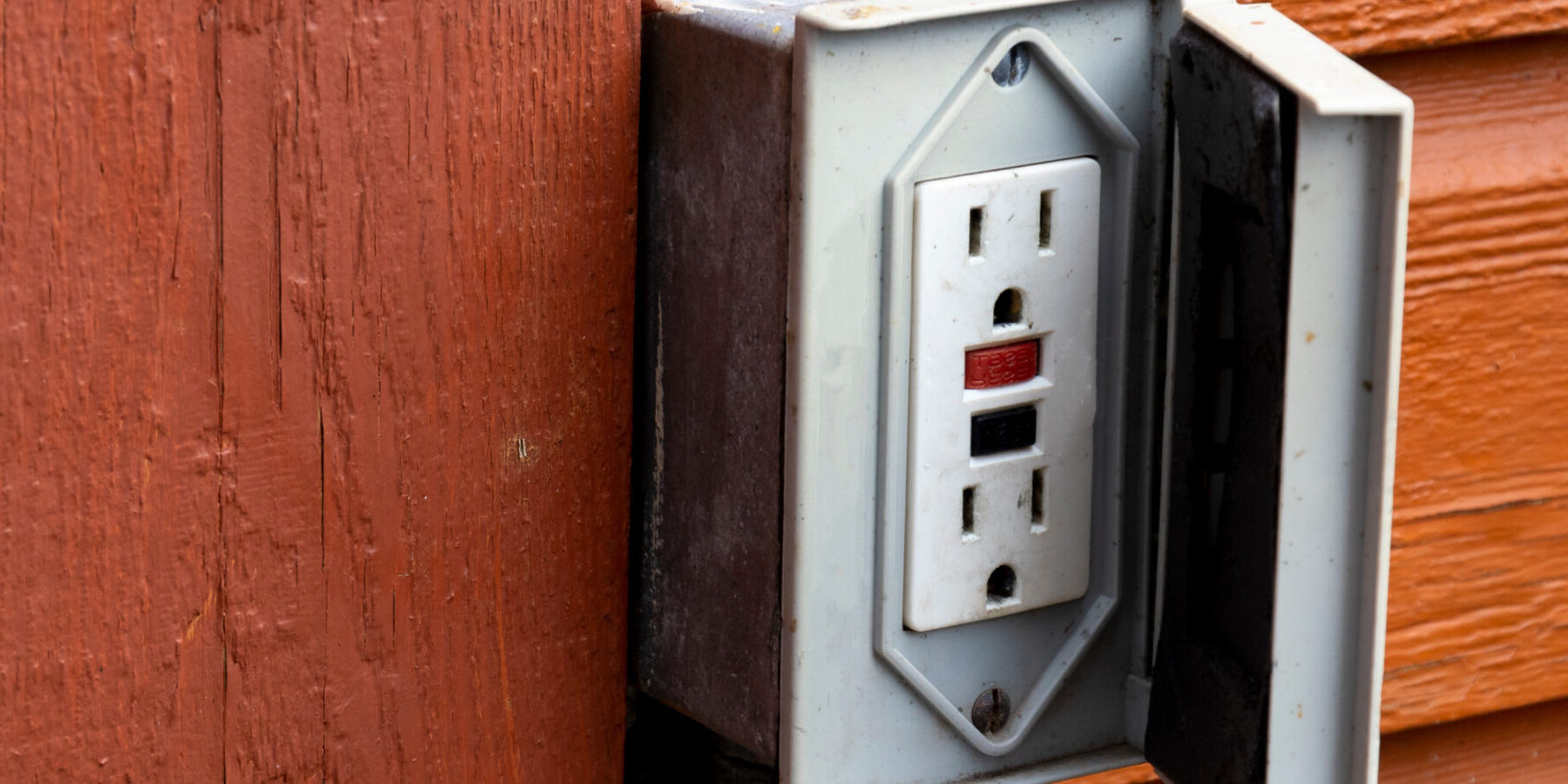
Outdoor outlets are easy to take for granted until they stop working. They power landscape lights, holiday decorations, tools, patio equipment, and other everyday items around the home. Because they are exposed to weather, moisture, temperature changes, and regular use, exterior outlets can fail for several different reasons.
If an outdoor outlet is not working at your home or business, the issue may be simple. It may also point to a larger electrical problem that needs professional attention.
Start With the Simple Checks
Before assuming the outlet has failed, make sure the device you are using works in another outlet. Then check your electrical panel to see whether a breaker has tripped. You should also look for a GFCI outlet that may need to be reset. In many homes, outdoor outlets are connected to a GFCI in the garage, bathroom, basement, crawlspace, utility room, or even at the panel.
If the outlet feels warm, looks discolored, smells burnt, or shows signs of water damage, stop using it and call a licensed electrician.
A GFCI Outlet May Have Tripped
Many outdoor outlets are protected by a GFCI, which stands for ground fault circuit interrupter. A GFCI is designed to shut off power quickly when it senses electricity going somewhere it should not, such as through water, a damaged cord, or a faulty device.
Sometimes the reset button is on the outdoor outlet itself. Other times, it is located elsewhere in the home. If pressing reset restores power, the issue may have been a temporary fault. If the GFCI trips again right away, there may be moisture in the outlet, damaged wiring, or a problem with something plugged into the circuit.
Moisture Can Get Into the Outlet
Outdoor outlets deal with rain, snow, humidity, sprinklers, and condensation. If the cover is cracked, loose, missing, or not rated for exterior use, moisture can get inside the box and cause the outlet to stop working.
Moisture can lead to corrosion, tripped GFCIs, short circuits, breaker trips, and shock risk. Outdoor outlets should have proper weather-resistant components and covers. In areas where cords stay plugged in, an in-use cover helps protect the connection even while something is attached.
The Breaker May Have Tripped
An exterior outlet may stop working because the breaker feeding that circuit has tripped. This can happen when too many items are plugged in at once, when a power tool draws more current than expected, or when there is a fault somewhere on the circuit.
This is common with outdoor equipment such as pressure washers, power tools, holiday lights, landscape lighting, or pool and pond equipment. If the breaker trips once and resets normally, it may have been a temporary overload. If it trips repeatedly, do not keep resetting it. The circuit should be inspected.
The Outlet or Cover May Be Worn Out
Exterior outlets take more abuse than interior outlets. Sun exposure, freezing temperatures, rain, insects, dirt, and regular plugging and unplugging can wear them down over time.
A worn outdoor outlet may feel loose when you plug something in. The cover may no longer seal tightly. You may also notice rust, corrosion, cracking, buzzing, or power that comes and goes when the cord is moved. These are signs that the outlet should be replaced with the right weather-resistant equipment.
Wiring May Be Damaged
Outdoor wiring can be damaged by age, pests, landscaping work, underground movement, or improper installation. Wiring near patios, sheds, garages, decks, and landscape beds can be especially vulnerable.
If the outlet stopped working after yard work, digging, or storm damage, it is a good idea to have the wiring checked. You should also call an electrician if multiple exterior outlets stop working, if lights flicker when you use the outlet, or if the GFCI or breaker trips immediately after being reset.
Damaged wiring should not be patched casually. It needs to be repaired safely and brought back to code.
The Outlet May Not Be Properly Rated for Outdoor Use
Not every outlet is designed for exterior conditions. Outdoor receptacles need protection from moisture and physical damage. If an older outlet was installed without the correct cover, box, or GFCI protection, it may be more likely to fail.
This is common around older homes, garages, shops, additions, and mobile homes where electrical work may have been done years ago. A licensed electrician can determine whether the outlet needs to be repaired, upgraded, relocated, or replaced with a safer setup.
Outdoor Outlet Safety Tips
A few simple habits can help keep outdoor outlets working safely:
- Use outdoor-rated extension cords only when needed.
- Keep plugs and connections off the ground.
- Replace cracked or missing outlet covers.
- Test GFCI outlets regularly.
- Avoid overloading one outlet with multiple devices.
Outdoor outlets are useful, but they should not be treated like permanent wiring for high-demand equipment. If you rely on extension cords often, it may be time to add a dedicated outdoor outlet or circuit.
When to Call Reed Electric
Some outdoor outlet problems are simple, but others point to a larger electrical issue. If the outlet will not reset, the breaker keeps tripping, or you see signs of water or heat damage, it is time to call a professional.
Reed Electric can troubleshoot the issue, repair or replace outdoor outlets, install GFCI protection, upgrade exterior lighting, and bring older electrical work up to current standards. We also handle service upgrades, remodels, rewires, construction installation, backup power, generators, and mobile home electrical connections.
We serve homes and businesses throughout southern Illinois and western Kentucky, including the Metropolis and Paducah areas.
Need Help With an Outdoor Outlet?
If your outdoor outlet stopped working, do not ignore it. Reed Electric can find the cause, make the repair, and help ensure the outlet is safe for future use.
Have questions?
Call 618-524-7545 in Illinois or 270-441-2094 in Kentucky.