
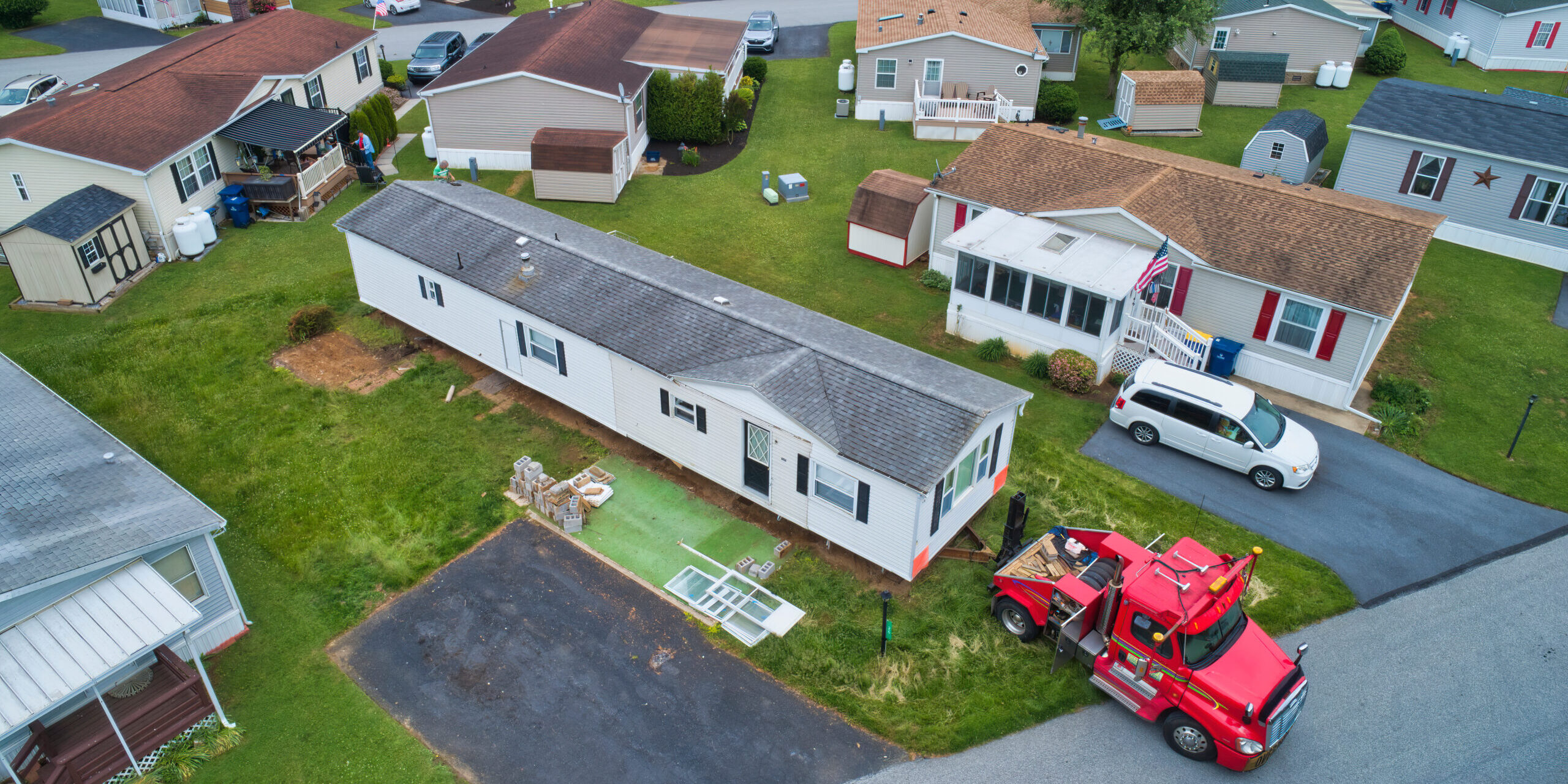
Manufactured homes use many of the same parts as site-built homes, but the rules around service equipment, grounding, and outdoor wiring are different. If you live in southern Illinois or western Kentucky, this guide will help you understand the basics and decide what you can do yourself versus what you should leave to a licensed electrician.
Quick terms to know
- Manufactured home: Built in a factory to the HUD code, then transported to a site.
- Service equipment: The main disconnect and meter equipment that brings utility power to the home.
- Feeder: The cable that runs from the service equipment or pedestal to the home’s panel.
- Pedestal: A freestanding post with the meter and main disconnect, common in parks and on private lots.
How power gets to a manufactured home
There are two common setups.
- Pedestal service: The meter and main breaker are on a pole or pedestal. A four-wire feeder runs from the pedestal to the home’s panel.
- Exterior service on the home: The meter and main disconnect are mounted on the exterior wall, and branch circuits feed interior panels.
Why it matters: Manufactured homes typically require a four-wire feeder with separate neutral and ground, tight and weatherproof terminations, and proper grounding and bonding. Mixing up neutral and ground can create shock risk.
Typical connection checklist for a safe setup
- Correct cable type and size for the feeder, with outdoor rating if exposed.
- Four conductors from the service equipment to the home’s distribution panel.
- Grounding electrode system installed and connected as required for your site.
- Weatherproof fittings and an in-use cover for any exterior receptacles.
- Clearly labeled main disconnect that first responders can reach.
- Torque-verified lugs at the pedestal, disconnect, and panel.
Tasks to leave to a licensed electrician
These involve permits, code checks, or specialized tools.
-
- New feeder installation or replacement between pedestal and home.
- Service upgrades or moving a meter base or main disconnect.
- Sub-panel additions, aluminum conductor terminations, or multi-wire branch circuits.
- Generator transfer equipment for an automatic standby system.
- Heat tape circuits under the home, crawlspace receptacles, or any wiring near skirting and water lines.
- Grounding and bonding corrections after storm or flood damage.
GFCI, AFCI, and weather protection
- GFCI is required for outdoor, bathroom, kitchen, and similar damp or wet locations.
- AFCI adds fire protection in living spaces by detecting arcing faults.
Weather-resistant receptacles and in-use covers help outlets survive rain, snow, and lawn sprinklers.
Surge protection for today’s electronics
Pair a whole-home surge protector at the main equipment with point-of-use surge strips for TVs and computers. Good grounding and bonding make surge protection work better.
Permits and inspections
Both Illinois and Kentucky have permitting rules for service work, feeders, new circuits, and transfer switches. Some minor like-for-like swaps may be exempt. When in doubt, ask before you start. If your project involves the pedestal, meter, or feeder, plan on permits and inspections.
How Reed Electric can help
Reed installs and services manufactured home feeders, pedestals, service equipment, grounding and bonding, surge protection, exterior circuits, and generator transfer equipment. We handle permits and inspections, and we explain what changed so you know your home is safe and compliant. Our team serves southern Illinois and western Kentucky, including the Metropolis and Paducah area.
Need a safe connection for your manufactured home?
Call 618-524-7545 in Illinois or 270-441-2094 in Kentucky, or request service at reedelec.com.